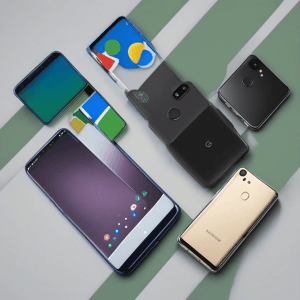
The original Galaxy Fold arrived in 2019 as a pricey prototype. Screens cracked quickly, hinges collected lint, and early adopters paid a steep learning curve. Fast forward to 2026, and the category has matured. Google, OnePlus, Motorola, and Honor have shipped devices with reinforced hinges, better software integration, and realistic daily usability. Yet slab phones still dominate sales. They offer proven reliability, superior camera hardware, and lower price points. Deciding between a foldable phone vs regular phone comes down to your workflow, budget, and tolerance for maintenance.
Foldable Categories in 2026
Before weighing costs and trade-offs, pick the form factor that matches your habits. These two designs solve different problems.
Book-Style Devices
These unfold horizontally into tablet-sized canvases. The Samsung Galaxy Z Fold lineup, Google Pixel Fold, and OnePlus Open fall here. They target professionals, students, and heavy media users who want desktop-level multitasking in a pocketable package. If you’re already torn between Android ecosystems, our breakdown of Samsung Galaxy vs Google Pixel helps clarify which software experience fits your routine.
Clamshell Flip Models
Vertical folding creates a compact square that slips into tight pockets or small bags. The Galaxy Z Flip series and Motorola Razr lead this segment. Designers prioritize portability, quick-glance notifications, and hands-free selfie framing using the outer display. For users who want nostalgia meets modern tech, see our ranking of the best flip phones.
Match the Form Factor to Your Workflow
Pick book-style if you regularly edit documents, split-screen research, or replace a tablet. Choose clamshell if you want a smaller footprint, easier one-handed use, and a distinct fashion statement.
Where Foldables Outperform Slab Phones
Modern folding hardware unlocks workflows that traditional smartphones simply cannot replicate.
True Multitasking
Book-style screens support three-app layouts, drag-and-drop file transfers, and full desktop browsing. You can reference a spreadsheet while drafting an email, or watch a tutorial while taking notes. The extra pixel real estate turns commute time into productive hours.
Flexible Shooting Angles
Flex mode lets the device rest on surfaces at stable angles. Video calls look natural, short-form video recording becomes tripod-free, and long-exposure night shots stay steady. The cover screen also acts as a live viewfinder for rear-camera selfies.
Better Reading & Browsing
Wide inner displays reduce scrolling for PDFs, comics, and web articles. Videos show letterboxing due to the near-square ratio, but the overall viewing area still dwarfs standard 6-inch panels.
Trade-Offs to Accept
Engineering progress hasn’t erased physical limits. Budget and lifestyle planning should account for these realities.
Durability Constraints
Slab phones rely on hardened glass that shrugs off keys and coins. Foldables use Ultra Thin Glass (UTG) paired with a soft polymer layer on the inner panel. Fingernails, abrasive fabrics, and trapped grit can leave micro-scratches or crease damage over time.
Premium Pricing
Flagship book models typically launch between $1,500 and $1,800. Top-tier slabs like the Galaxy S26 Ultra or iPhone 17 Pro Max sit closer to $1,100–$1,300. Screen replacements on folded units often run north of $500, making insurance or extended warranties a smart addition.
Battery & Camera Compromises
Thinner chassis means less room for massive cells and oversized lenses. Foldables usually ship with dual 4,000–5,000 mAh batteries split across the hinge, and their zoom optics lag behind slab competitors at equivalent price tiers.
Dust & Sand Are Silent Killers
Most 2026 models carry IPX8 water resistance, but hinge seals rarely block fine particulates. Beach trips, construction sites, or sandy commutes can grind into the mechanism, causing stiff folding or permanent gear wear.
Foldable vs Regular Phone: Head-to-Head Breakdown
Ratings reflect typical 2026 flagship performance across both categories.
| Feature | Foldable Phone (2026) | Regular Slab Phone (2026) |
|---|---|---|
| Screen Real Estate | Excellent (up to 8-inch inner panel) | Standard (6.1 to 6.9-inch panel) |
| Portability | High (flips) / Bulky (book-style) | High (consistent thickness, lighter feel) |
| Durability | Moderate (fragile inner layer, hinge mechanics) | High (tough glass, sealed build) |
| Camera Performance | Good (limited sensor size & zoom range) | Outstanding (larger sensors, advanced optics) |
| Battery Life | Average (split-cell architecture) | Excellent (optimized single-cell design) |
| Starting Price | $999 (clamshell) to $1,799 (book-style) | $699 to $1,199 (flagships) |
| Typical Lifespan | 2–3 years (mechanical wear accelerates aging) | 4–5+ years (software support & rugged build) |
How to Extend Foldable Longevity
Treat the hinge and inner display as precision components, not everyday accessories. Follow these maintenance habits:
- Leave the factory protector intact. Removing it compromises the UTG layer and voids coverage. Bubbling or peeling at the crease requires an authorized service visit.
- Wipe the hinge gently. Compressed air or metal picks push debris deeper. A dry microfiber cloth removes lint without risking gear damage.
- Use cases with spine coverage. Slim sleeves expose the folding axis to impact drops. Rugged shells with sliding hinge guards absorb shock and keep alignment intact.
- Clear the screen before closing. Coins, keychains, or food crumbs act like paperweights. Folding over hard objects punctures the polymer layer instantly.
Final Verdict: Is a Foldable Worth It in 2026?
The category crossed the early-adopter threshold last year. Book-style models genuinely replace tablets for commuters, students, and remote workers who value split-screen productivity. Clamshell variants excel for users chasing compactness, quick interactions, and standout design.
Stick with a regular phone if your priorities lean toward photography, outdoor durability, multi-year replacement cycles, or strict budget control. Both paths deliver excellent experiences today. Pick the hardware that aligns with how you actually use your device, not the hype cycle.